It's a fair question, and it's usually asked in the hope of a specific answer: that a permanent lighting system will pay for itself when you sell. We'd love to tell you that. The data doesn't support it, and we'd rather be straight with you than sell you a number we made up.
Permanent lighting is very unlikely to increase your appraised value. What good exterior lighting genuinely does is improve marketability — better listing photos, better evening showings, better first impressions. That can affect how fast a home sells and how confidently buyers offer. It's a marketing asset, not an equity asset. Buy it for the years you live there, not for the closing table.
What the Actual Data Says
There is no industry study measuring the resale impact of permanent holiday lighting specifically. Anyone quoting you a percentage is making it up.
The closest real benchmark is the National Association of Realtors' 2023 Remodeling Impact Report on Outdoor Features, produced with the National Association of Landscape Professionals. It surveyed both homeowners and Realtors on cost recovery across eleven outdoor projects. Landscape lighting came in at roughly 59% estimated cost recovery, near the bottom of the list alongside fire features and in-ground pools, on a typical project cost around $6,800.
Read that plainly: professional exterior lighting recovers a bit over half its cost at resale. It does not pay for itself. And permanent roofline lighting is an even more personal, taste-specific feature than landscape lighting, so there's no reason to assume it performs better.
The same report found something more interesting, though. Landscape lighting scored near the top on NAR's "Joy Score" — the measure of how much homeowners actually enjoy the finished project. High enjoyment, low cost recovery. That combination tells you exactly what kind of purchase this is.
Why Appraisers Don't Count It
Appraisals are built from comparable sales. An appraiser looks at what similar homes in your area recently sold for and adjusts for concrete, measurable differences — square footage, bedroom and bathroom count, lot size, garage capacity, pool, age of roof and HVAC.
Permanent lighting isn't a line item in that process. There's no adjustment grid entry for it, no MLS field, and no local comp set of "homes with permanent roofline lighting" to draw from. Even an appraiser who personally loves the system has no defensible way to assign it dollars.
Same is true of most personal-taste upgrades. It's not a knock on the product — it's how appraisal works.
Where It Actually Helps You Sell
Appraised value and sale outcome aren't the same thing, and this is where exterior lighting earns its keep:
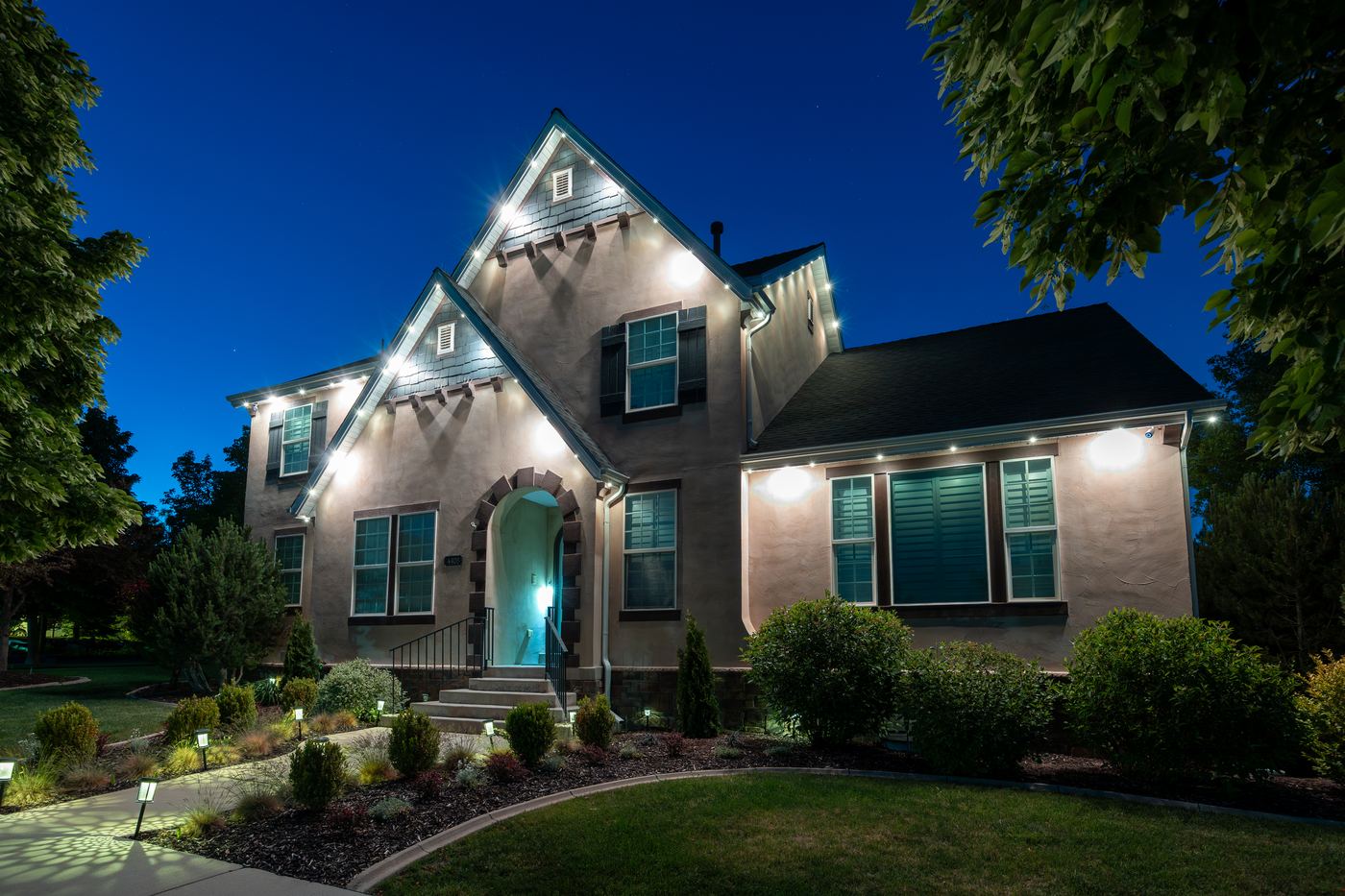
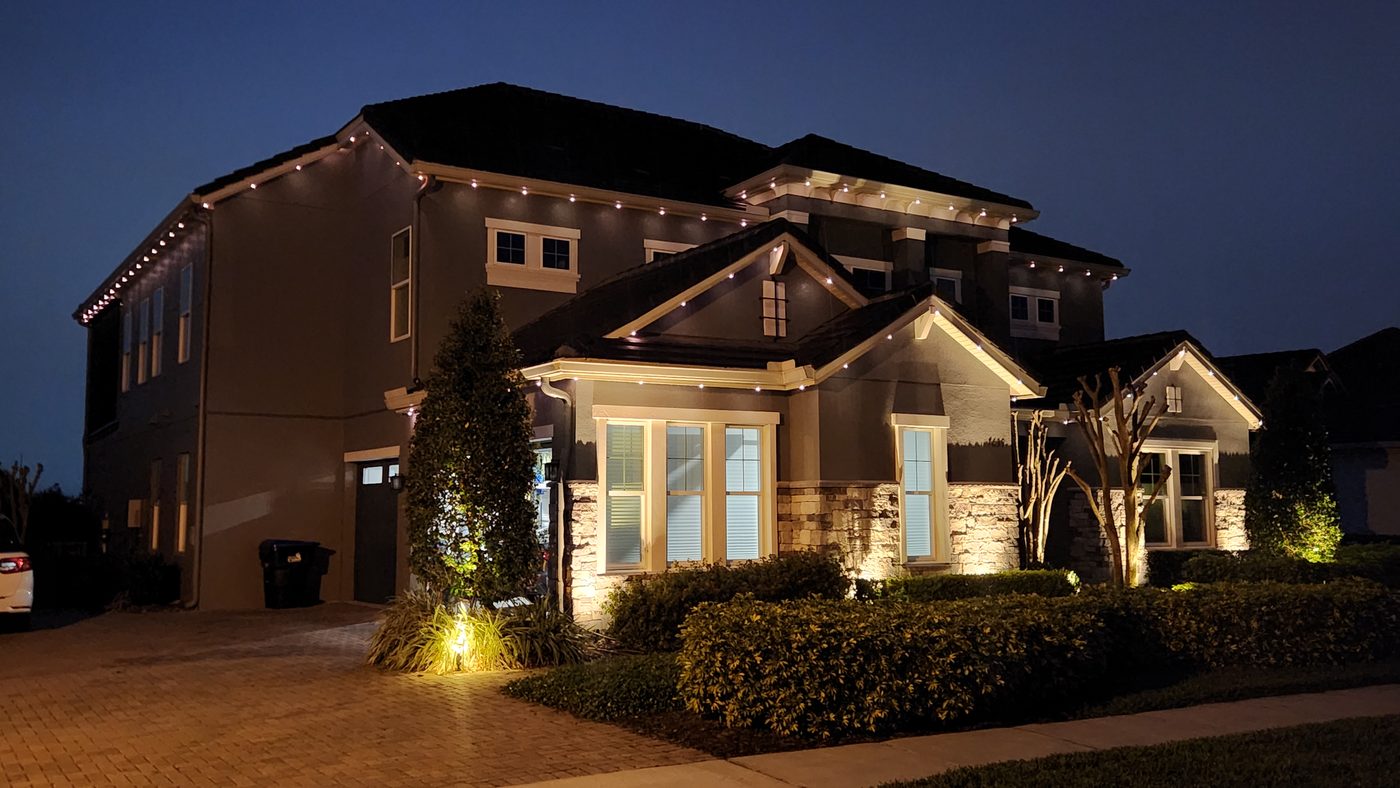
- Listing photos. Twilight photography consistently outperforms flat midday shots, and a lit home is what makes a twilight shot work. In a market where buyers scroll listings on a phone, the first photo does most of the work.
- Evening showings. Plenty of buyers can only tour after work. A dark house at 6pm in December shows badly no matter how good the interior is.
- Perceived maintenance. A well-lit exterior reads as a cared-for home. Buyers make fast judgments about upkeep from the curb, and those judgments follow them inside.
- Differentiation in tract neighborhoods. In a Horizon West or Lake Nona community where six similar floor plans are listed at once, being the one that photographs best is a genuine advantage.
None of that shows up as a higher appraisal. It can show up as fewer days on market and a stronger negotiating position — which is real money, just not the kind that appears on an appraisal form.
The Feature That Does Move the Needle
If resale is genuinely your priority, put the money in a different order. Soffit down lighting and landscape lighting are the better resale play, because they're neutral, architectural, and warm white. Nearly every buyer reads them as an upgrade.
Permanent RGB roofline lighting is more polarizing. Most buyers see it as a bonus. Some see it as one more system to learn. A minority actively don't want it. That spread is exactly why appraisers and Realtors won't put a firm number on it — and it's why we'd steer a "selling in 18 months" homeowner toward down lighting first. We wrote a fuller breakdown in traditional exterior lighting vs. permanent Christmas lights.
How to Frame It If You Do Sell
If you already have a system and you're listing, a few things help:
- Get twilight photos. Ask your agent for a dusk shoot with the system on warm white — not full color. Elegant beats festive in a listing photo.
- Put it in the listing remarks. Name the product and note the transferable warranty if yours has one. It reads as a premium feature rather than a mystery.
- Leave documentation. App setup, controller location, and warranty registration in a folder on the counter. A buyer who understands it values it; a buyer who's confused by it discounts it.
- Show it on warm white first. Rainbow mode at a showing invites a taste judgment. Warm white just looks expensive.
Frequently Asked Questions
The Bottom Line
Buy permanent lighting because you want to enjoy your home for the next ten years, not because you expect a return at closing. The enjoyment is the return — and by NAR's own satisfaction data, exterior lighting delivers that better than almost anything else you can do outside.
If resale genuinely is the driver, we'll tell you to spend the money on down lighting and landscape lighting instead. That's the more honest answer, and it's the one we give at the demo.